MSME Articles
Information, stories, and tips about our MSME products and activities
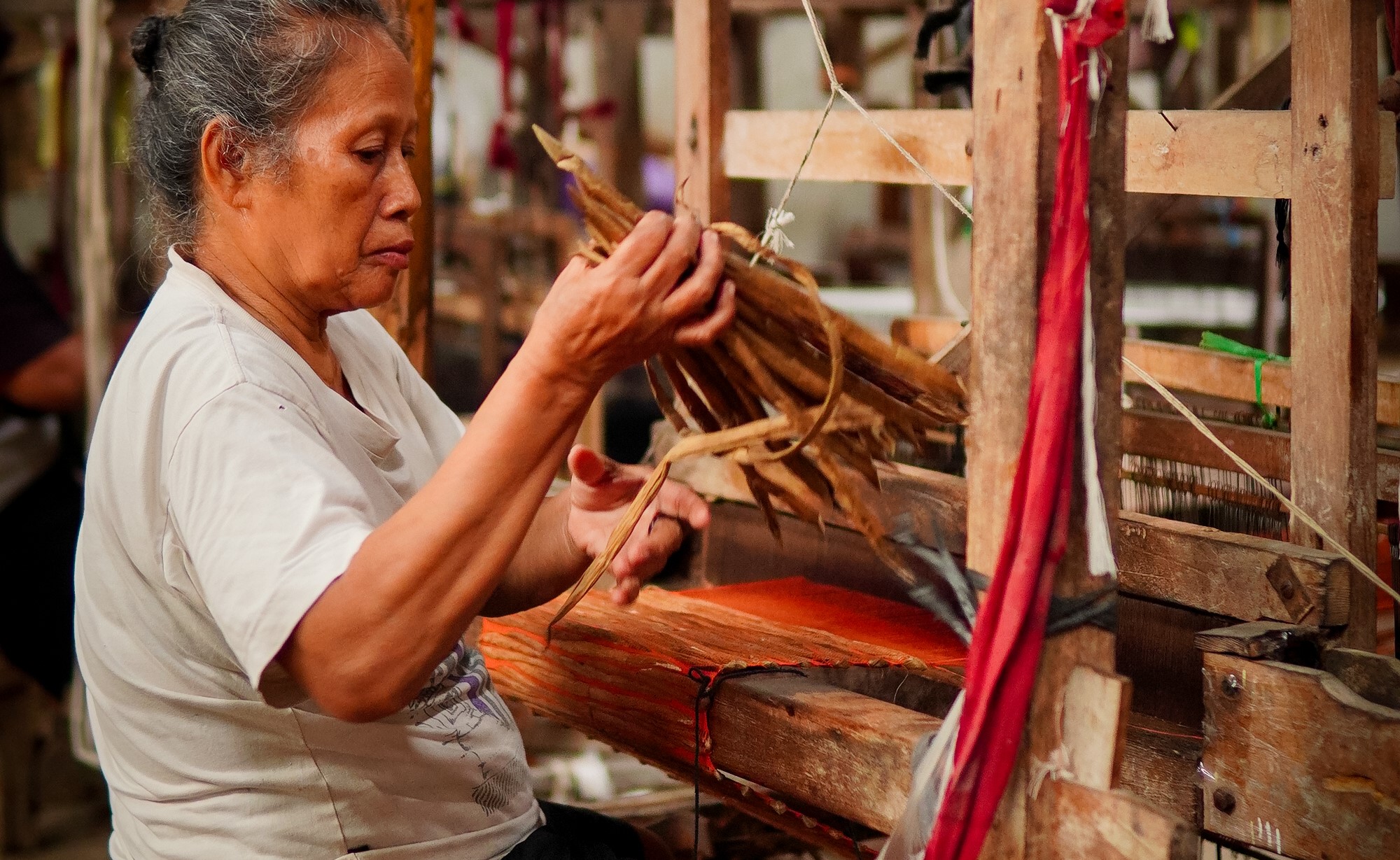
The weaving tradition in Gamplong Village has developed since the Japanese occupation. In the early stage, the main woven product was bagor. As artisans' skills and creativity grew, the variety of products expanded, ranging from stagen, gauze, towels, to many other woven goods.
The journey of Gamplong weaving changed significantly when Indonesia faced the 1998 monetary crisis. The weakening rupiah made local products relatively affordable for the international market. This opened a major opportunity for Gamplong artisans, as many foreign tourists were drawn to eco-friendly natural-fiber crafts, making Gamplong a craft shopping destination.
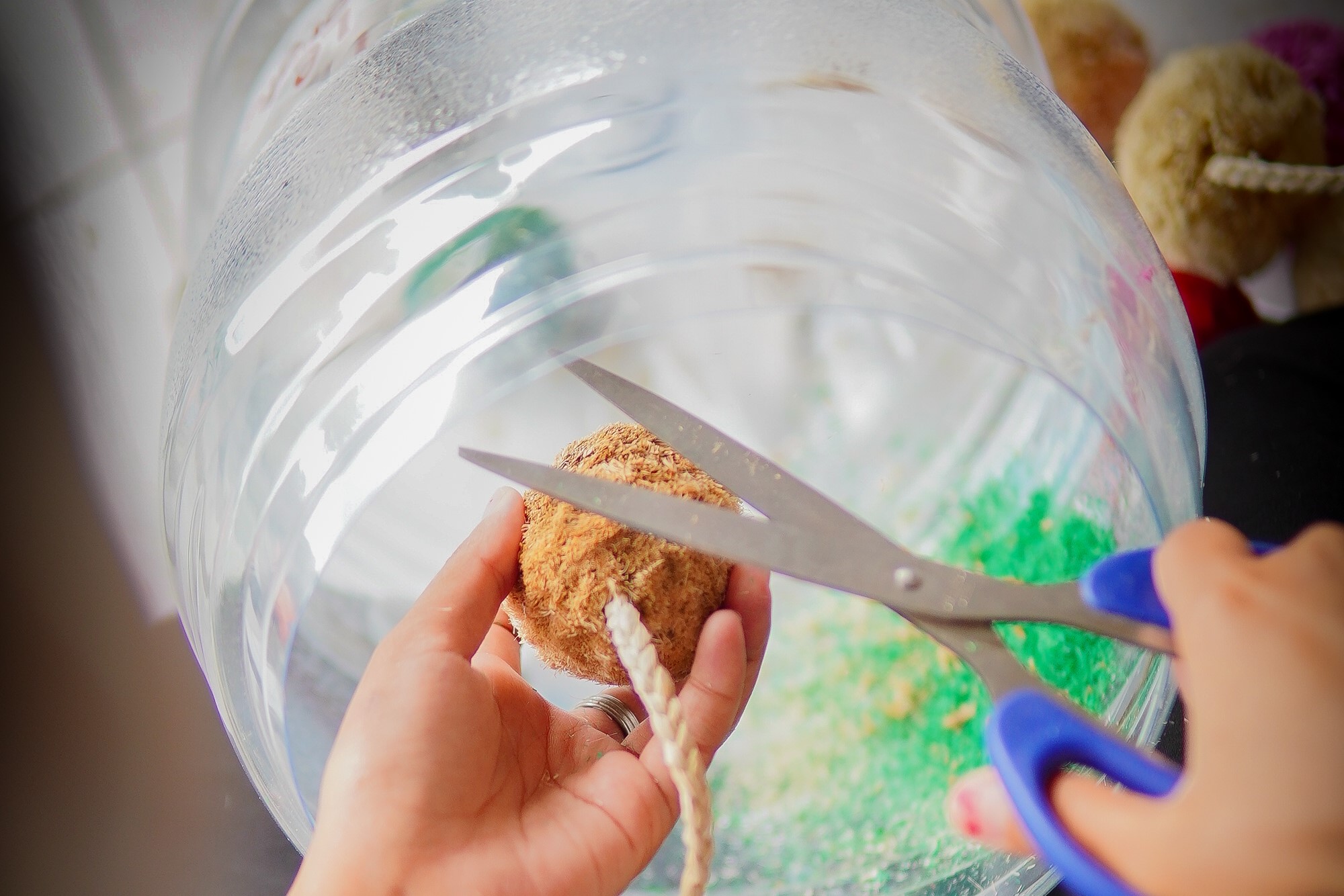
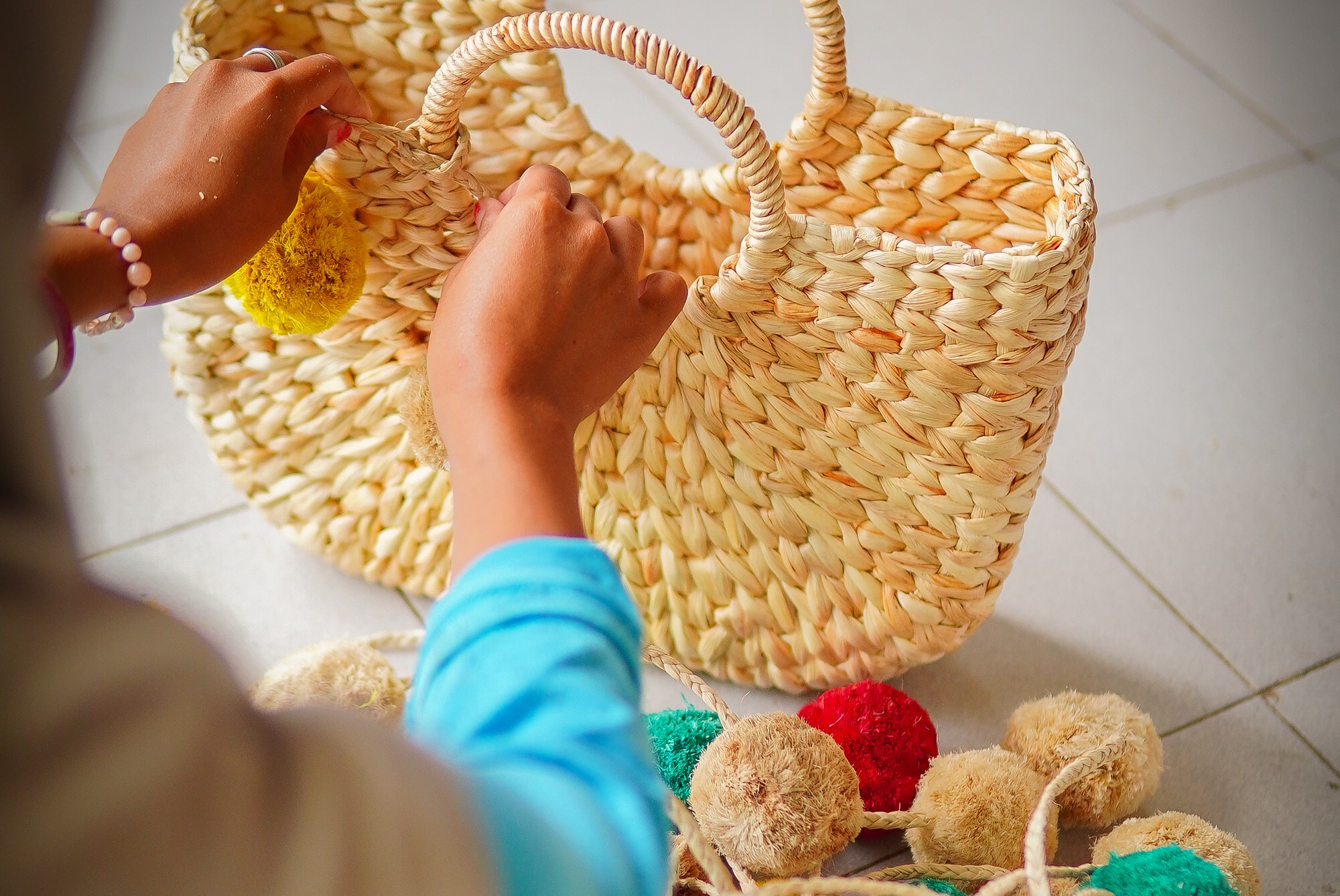
To strengthen collaboration and improve competitiveness, in 2001 the artisans formed a community group called TEGAR (Diligent, Economical, Persistent, Trustworthy, and Hardworking). This association was established as a platform to unite local artisans and help them compete with artisans from other regions.
The TEGAR community brought positive impact to the development of crafts in Gamplong Village. Production became more coordinated and evenly distributed, increasing variety and volume. For these achievements, the Sleman Regency Government designated Gamplong as a souvenir village, which encouraged more visits from tourists for shopping, learning, and research activities.
As tourism activity grew, in 2004 Gamplong's status developed into a craft tourism village. This progress was also influenced by the national economic crisis, where many large businesses declined. The situation created space for Gamplong artisans to grow without intense market competition, enabling natural-fiber crafts to develop sustainably to this day.